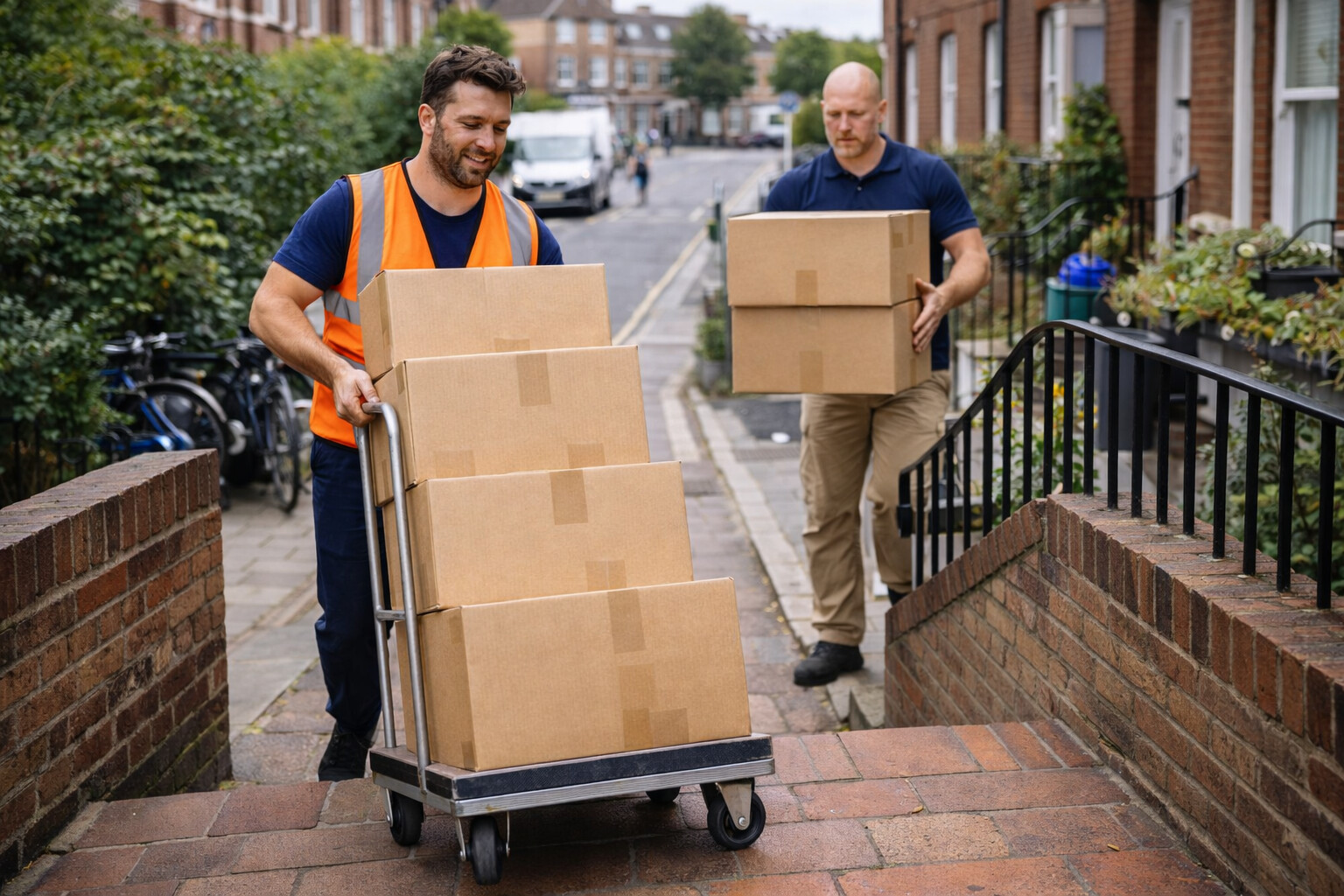


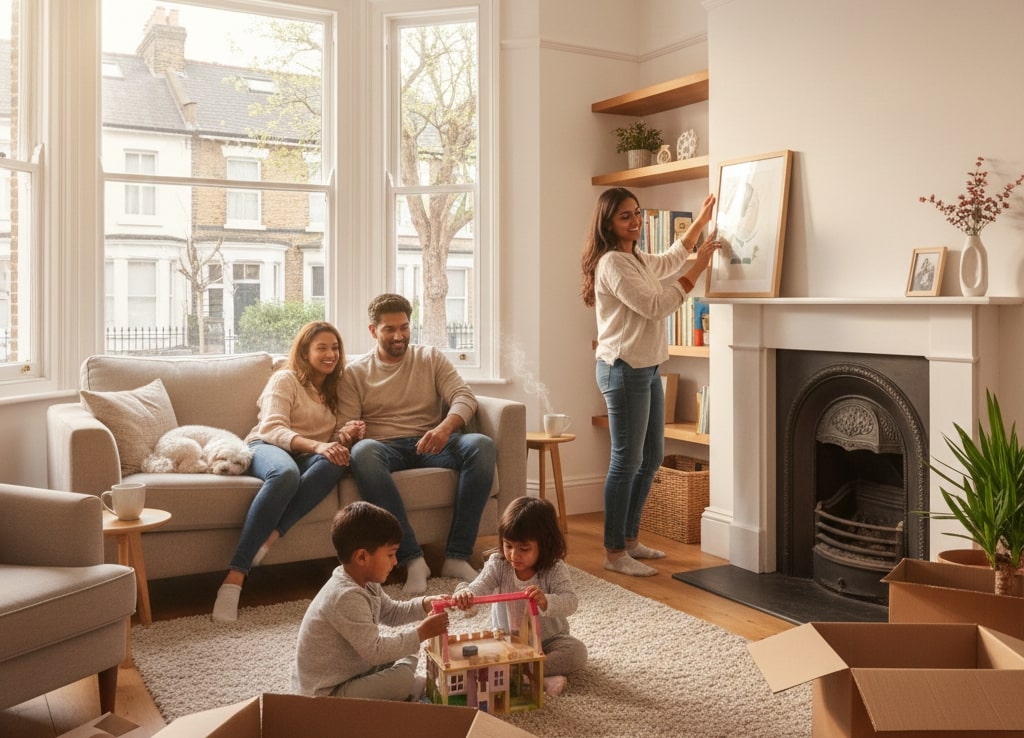
Moving day may be over, but the process is not truly finished once the last box is unloaded. The days immediately after moving house are crucial for settling in properly, avoiding future problems, and making your new place feel like home. Knowing what to do after the move helps you stay organised and reduces long-term stress.
This guide explains the most important steps to take after moving house in the UK and how to settle in smoothly.
You can explore all related guides here:
https://blog.xvan.uk/moving-guides/
Prioritise Essential Unpacking
Unpacking everything at once is overwhelming and unnecessary. The first priority should be essential areas that allow you to live comfortably from day one.
Focus on Key Rooms First
- Bedroom for sleeping and rest
- Bathroom for hygiene
- Kitchen for basic meals and drinks
Unpacking essentials early helps you regain a sense of normality and reduces fatigue after a long moving day.
Check Furniture and Belongings Carefully
Before unpacking fully, inspect furniture and boxes for any signs of damage. It is easier to notice issues when items are still fresh from transport.
What to Look For
- Scratches or dents on furniture
- Broken glass or damaged electronics
- Missing boxes or items
If any issues are found, document them immediately. Clear records help resolve problems quickly if follow-up is required.
Update Your Address With Key Services
One of the most important tasks after moving is updating your address. Delaying this can lead to missed letters, service interruptions, or administrative problems.
Organisations to Notify
- Banks and credit card providers
- Employer and pension providers
- GP and NHS services
- DVLA and vehicle records
- Insurance providers
Updating your address early helps avoid complications later.
Set Up Utilities and Internet
Utilities should ideally be arranged before moving, but final checks should be done after arrival.
Confirm that electricity, gas, water, and heating are working correctly. Test internet and mobile signal strength, especially if you work from home.
Useful Tip
Take meter readings as soon as you arrive. This ensures accurate billing and prevents disputes with previous occupants.
Get to Know Your New Home
Spend time learning how your new property works. Locate fuse boxes, stopcocks, meters, and heating controls.
Understanding these basics helps you respond quickly to issues such as power cuts or leaks and reduces reliance on emergency services.

Organise Storage Early
Unpacked boxes can quickly create clutter. Deciding where items will be stored early prevents chaos from building up.
Storage Planning Tips
- Assign cupboards and storage zones
- Avoid filling everything immediately
- Keep frequently used items accessible
Good organisation makes long-term living more comfortable.
Introduce Yourself to Neighbours
Getting to know neighbours early helps you feel more settled and creates a sense of community. A simple greeting can make a big difference.
Neighbours can also provide useful local information about parking, waste collection, and local services.
Register for Local Services
Every area in the UK has its own council services and schedules.
Register For
- Council tax
- Electoral register
- Waste and recycling services
Registering early prevents missed collections or administrative issues.
Take Time to Adjust Emotionally
Moving house is not just a physical change but an emotional one. Feeling tired, unsettled, or overwhelmed after a move is completely normal.
Give yourself time to adjust. Avoid putting pressure on yourself to feel settled immediately. Comfort develops gradually as routines form.
Use Digital Tools to Stay Organised
Managing post-move tasks can be easier with digital tools. Checklists, reminders, and moving apps help track what has been completed and what still needs attention.
Digital records also help keep documents, invoices, and confirmations in one place for easy reference.
Create a Comfortable First Week Routine
Establishing small routines in the first week helps your new home feel familiar. Simple habits such as morning coffee, short walks, or evening meals bring stability.
Focus on comfort rather than perfection. Your home does not need to be fully organised immediately to feel welcoming.
Settling in after moving house is a process, not a single task. By prioritising essentials, staying organised, and giving yourself time to adjust, you can turn your new house into a comfortable home and start your next chapter with confidence.