



Planning a Move by Location in London: A
Most moving problems in London do not happen because people choose the wrong van, the wrong day, or
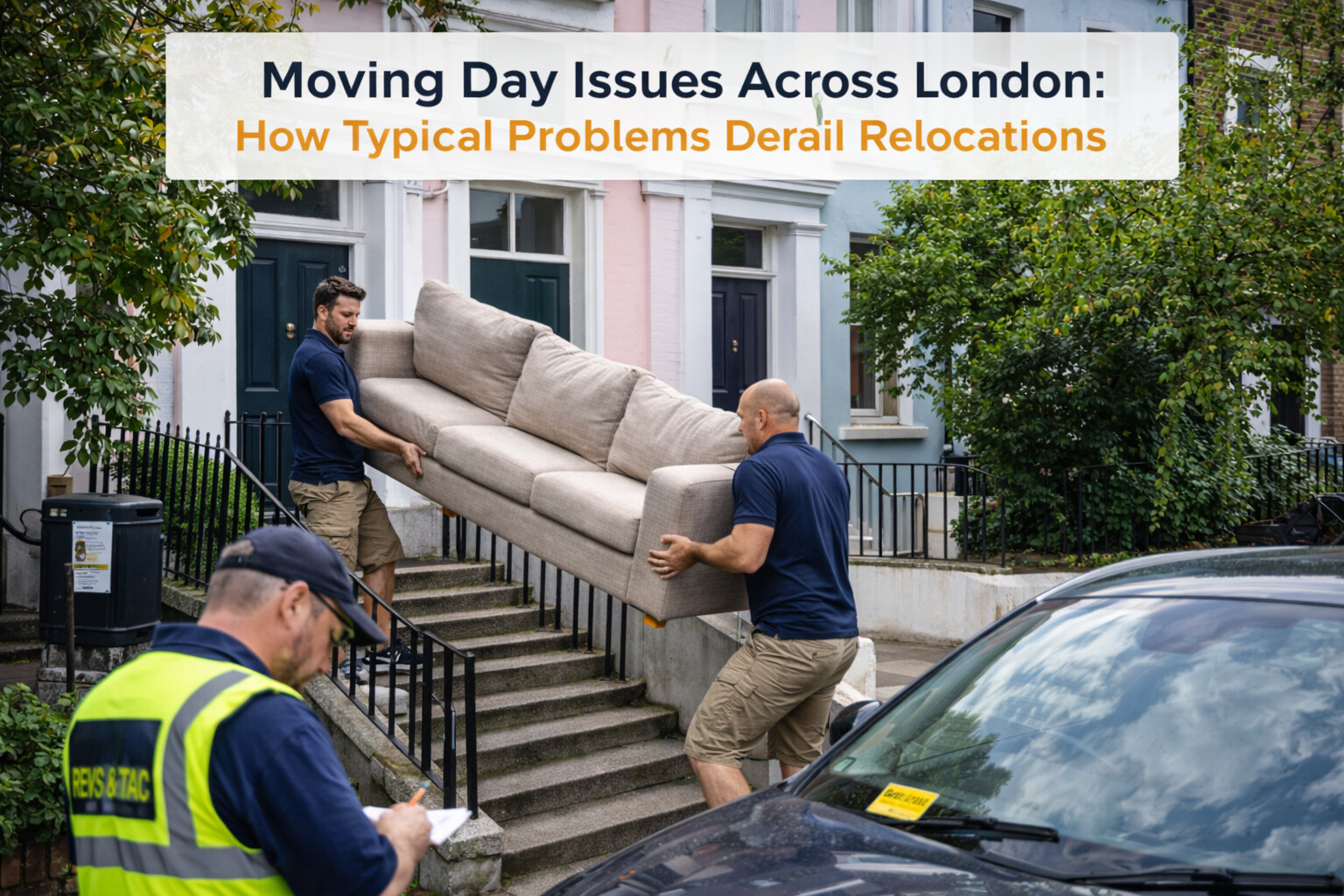
Residential vs Commercial Areas in London: Why These
Moving within London is often discussed as one category, but in practice residential-area moves and commercial-area moves operate
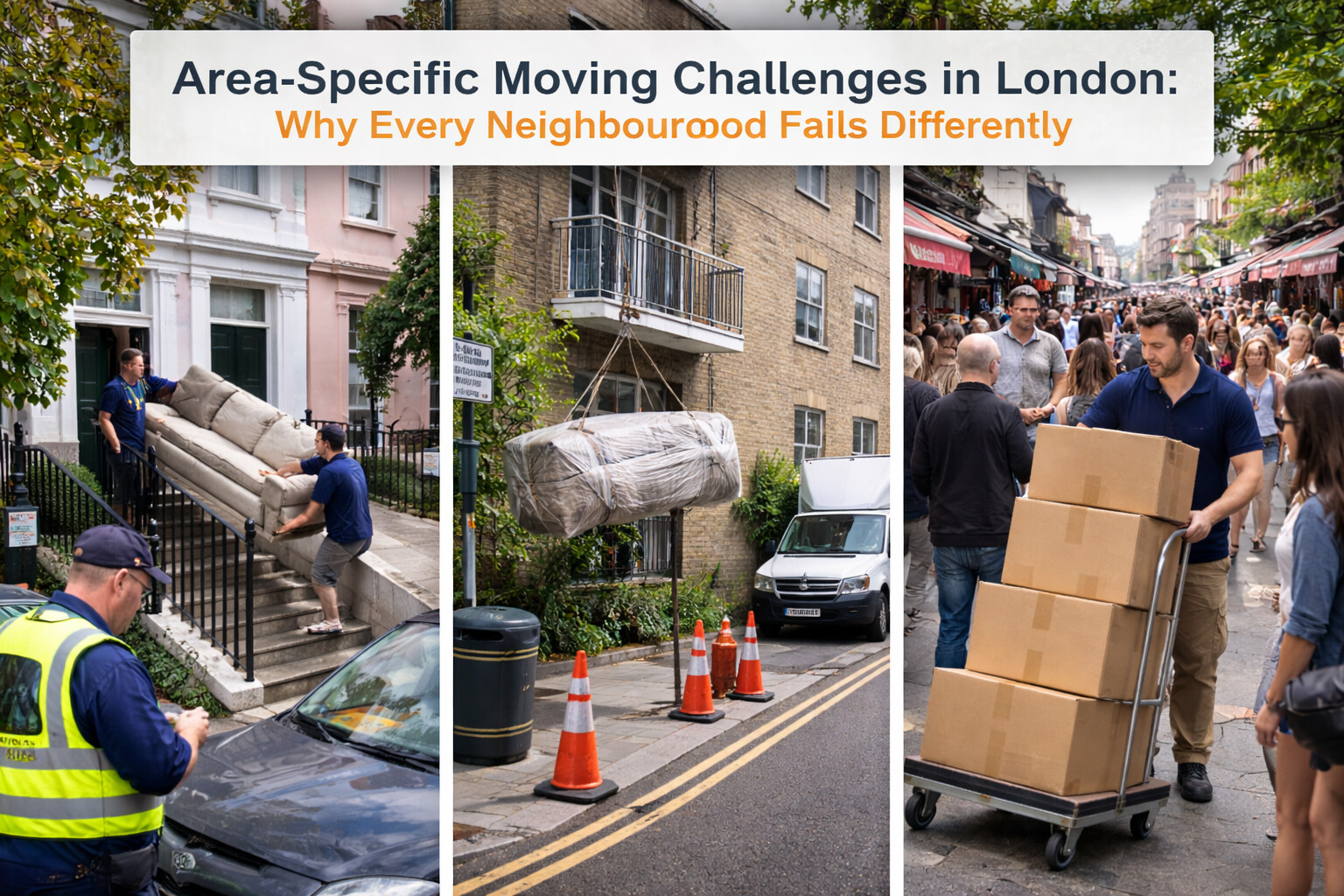
Area-Specific Moving Challenges in London: Why Every Neighbourhood
There is no such thing as a “standard London move.” Even when two moves involve the same distance,

Short-Distance Moves Within London Areas: Why “Nearby” Rarely
Short-distance moves within London are among the most misunderstood relocations. When two addresses are close — sometimes even
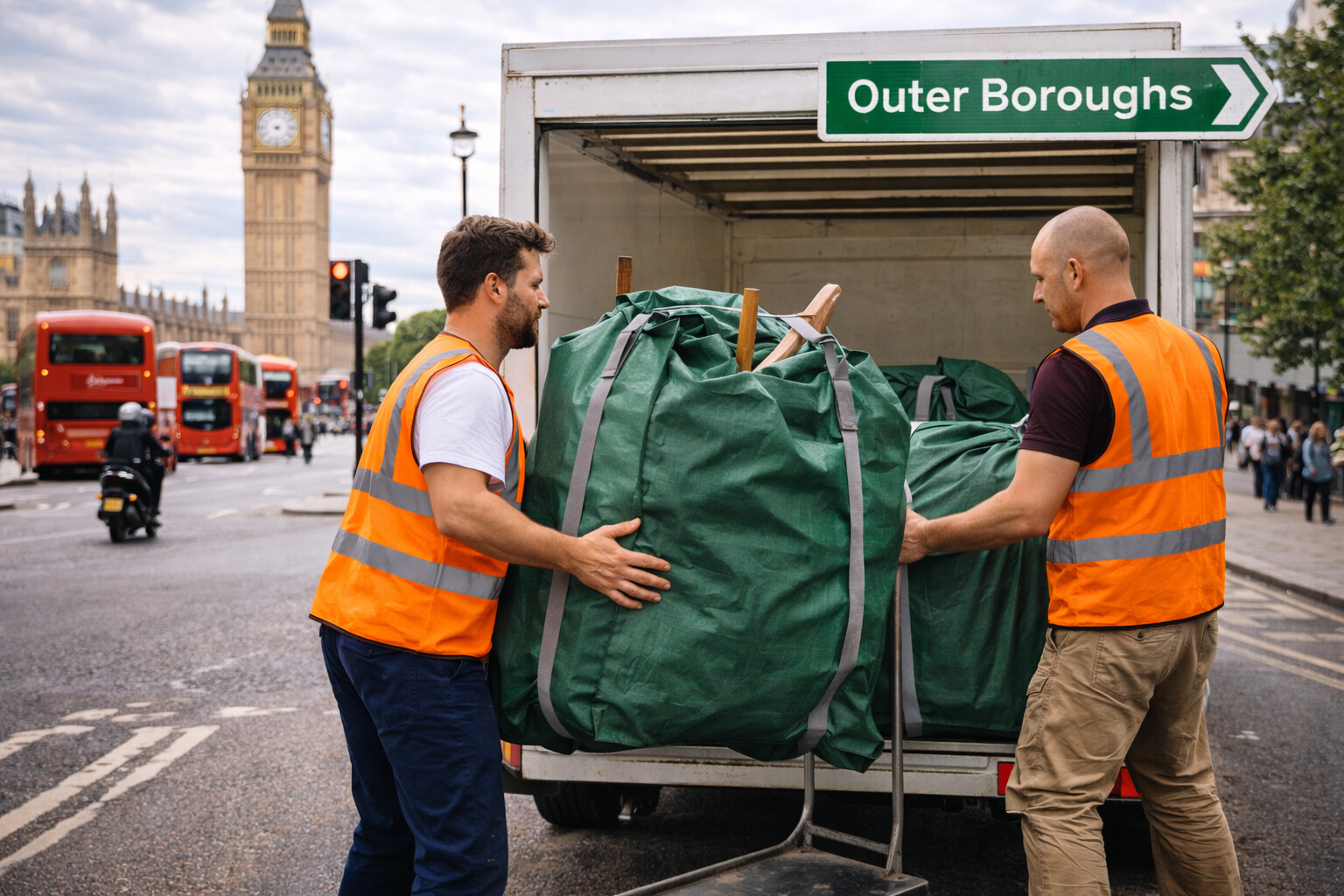
Moving From Central London to Outer Boroughs: Why
Moves from Central London to outer London boroughs are among the most common relocations in the capital —

Greater London Towns Moving Guide: Space, Distance &
Moving within Greater London towns sits between two worlds. These areas are neither inner-city London nor fully regional

Moving Near Major Transport Hubs in London: Congestion,
Moving near major transport hubs in London is one of the most misjudged relocation scenarios. People assume that
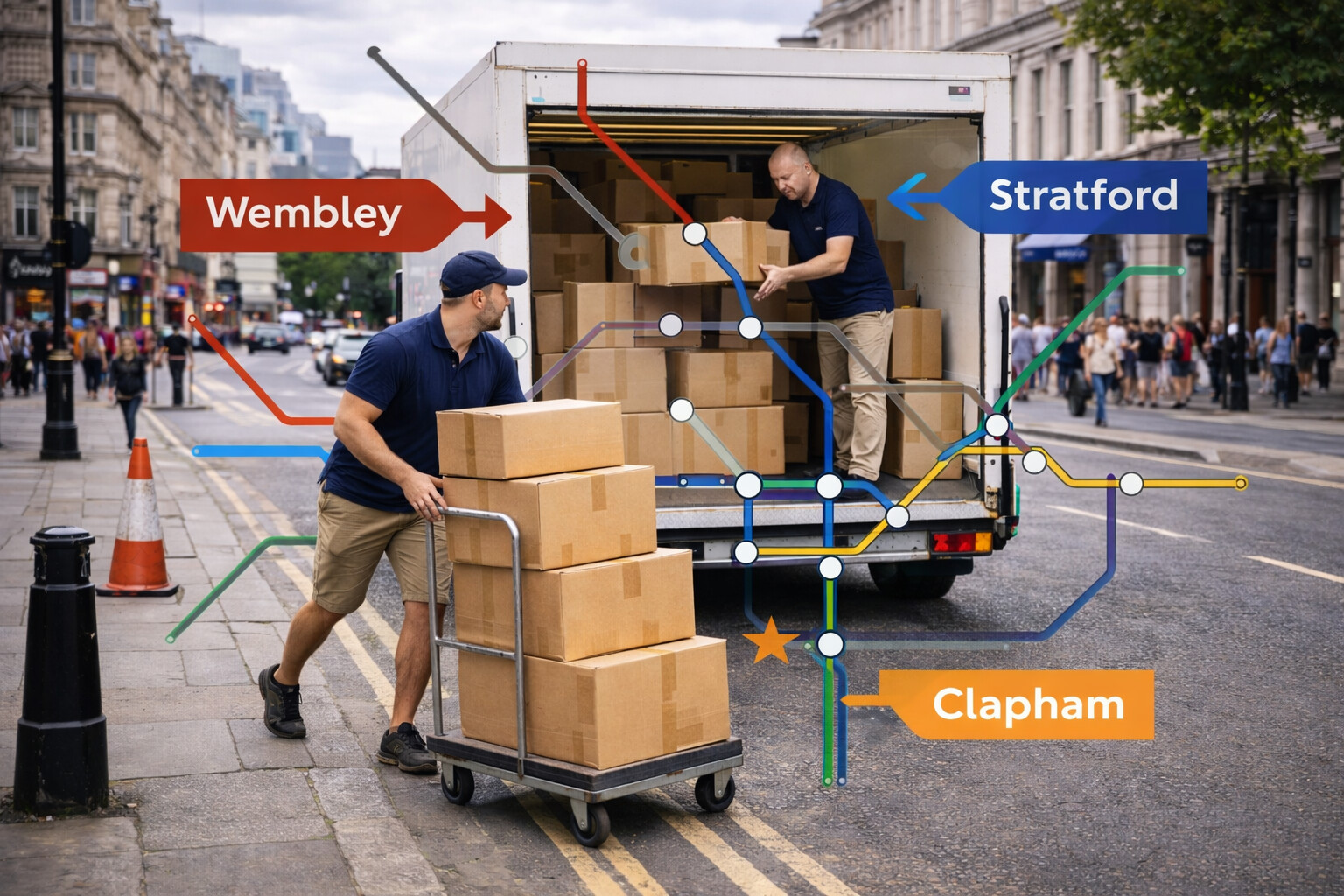
Popular Moving Routes Across London: Why Direction Matters
In London, moving difficulty is shaped as much by direction as by location. Two moves covering the same

Busy Urban Areas vs Quiet Residential Streets in
In London, street type is one of the most underestimated variables in moving. Two properties can be the

Suburban London Moving Guide: Space, Volume & Why
Suburban areas are often described as the easy side of London moving. Wider streets, driveways, quieter neighbourhoods, and
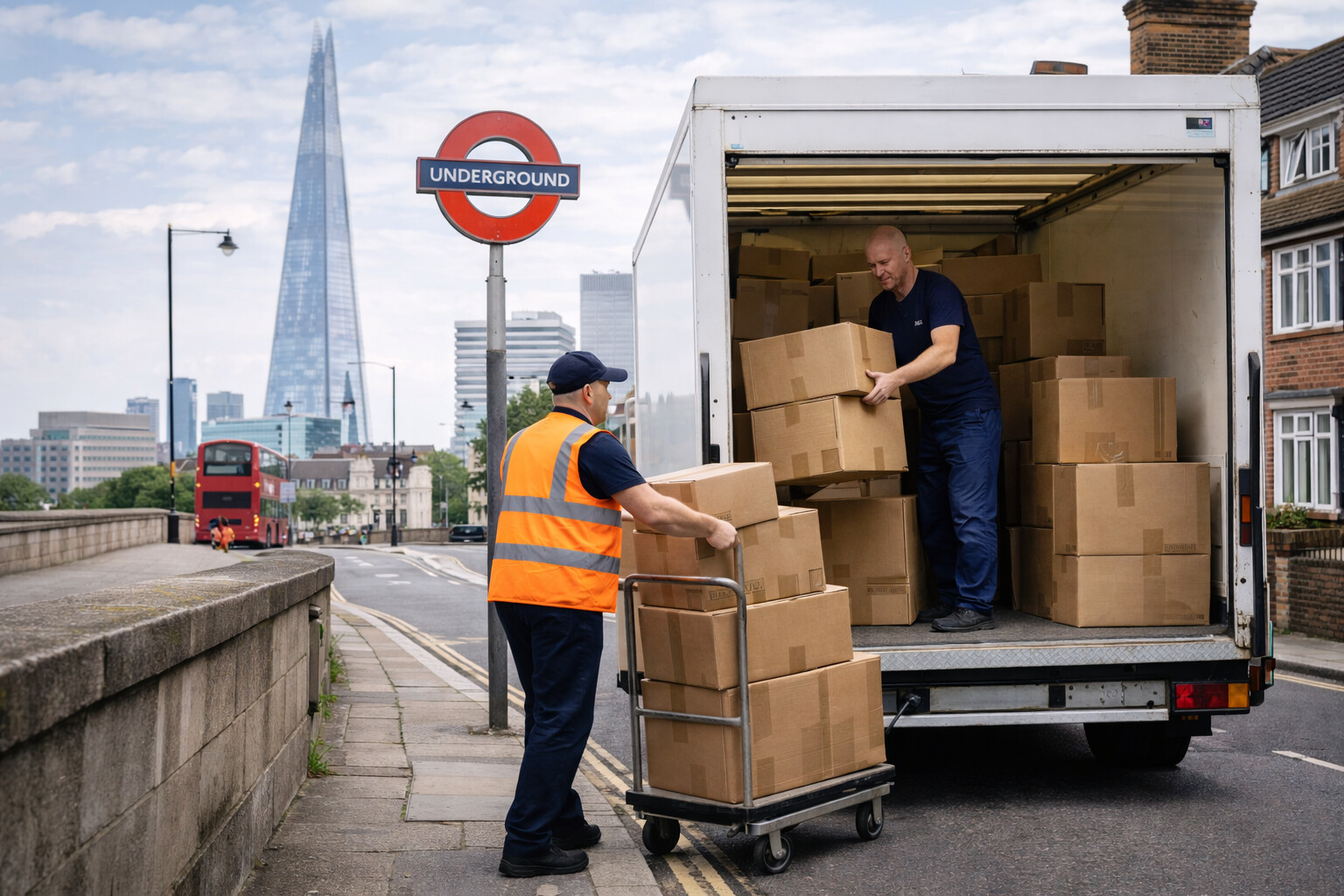
London Zones 1–6: How Location Directly Shapes Your
When people plan a move in London, they usually think in terms of boroughs or postcodes. In practice,

Moving in Narrow Streets & Historic Areas of
Moving in narrow streets and historic areas of London is where modern moving assumptions most often fail. These
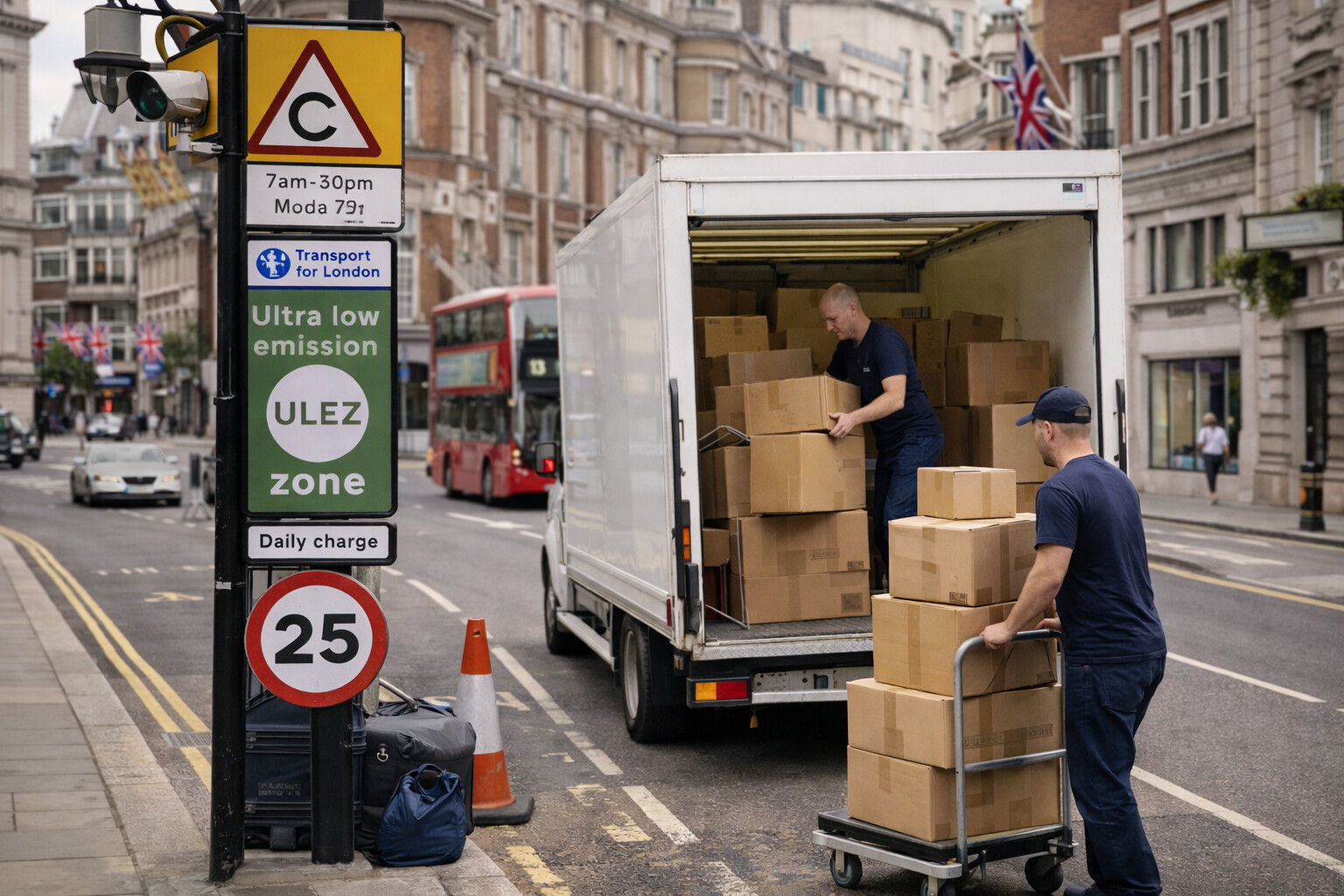
Moving in ULEZ and Restricted Zones in London:
Moving in areas covered by ULEZ and other restricted zones is not just a logistics issue — it
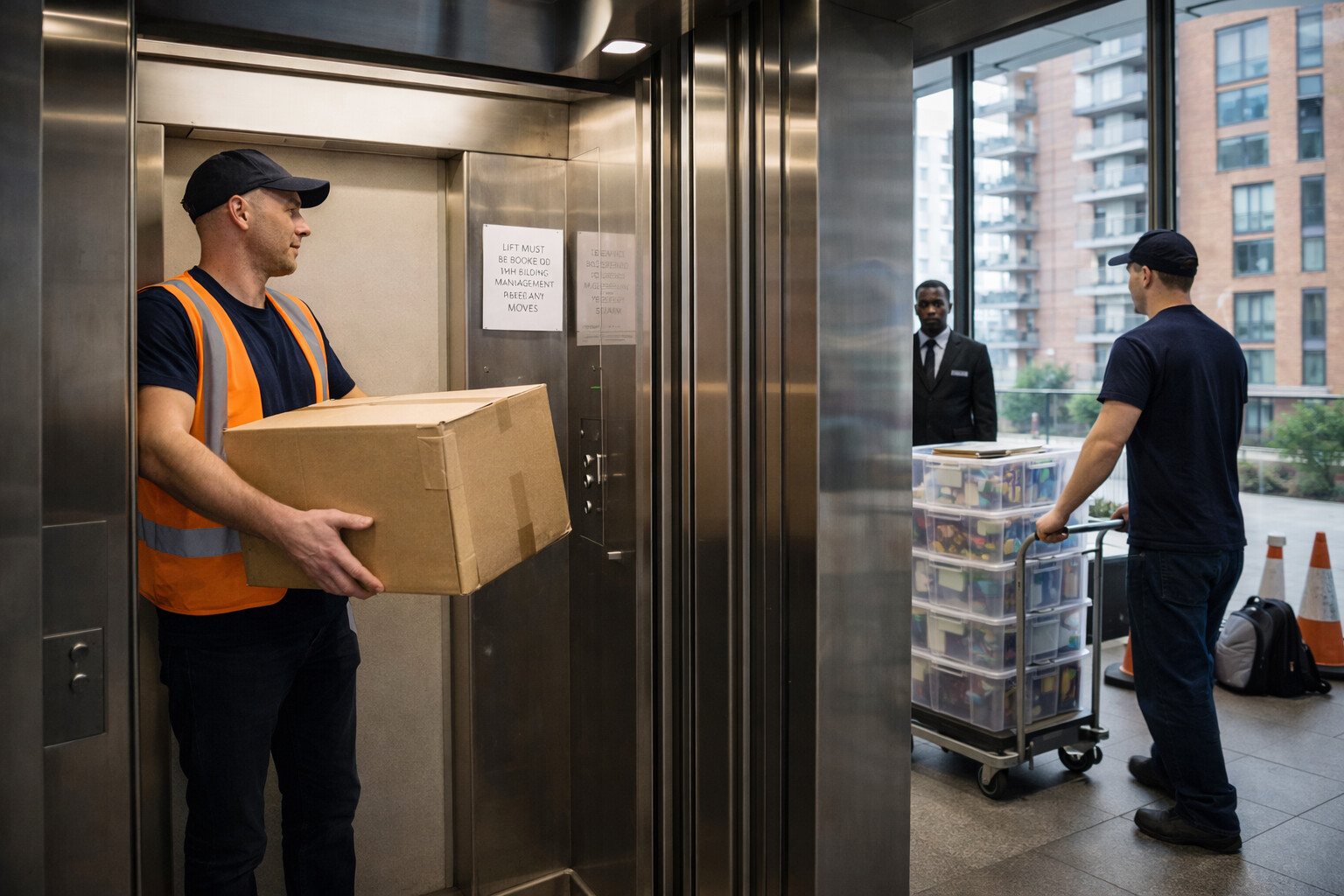
Moving in Apartment Blocks & New Developments in
Apartment blocks and new residential developments are often marketed as “easy to move in and out of”. Modern

High-Density Residential Areas in London: Why Density Changes
High-density residential areas are where London moving plans most often break down. These neighbourhoods concentrate people, buildings, vehicles,

Student Moving Areas in London: Turnover, Timing &
Student moves in London are often treated as small, simple relocations. In reality, student-heavy areas create some of

Moving Within the Same London Borough: Why “Local
One of the biggest misconceptions in London moving is the idea that staying within the same borough makes

London Postcode Area Moving Guide (N, NW, E,
In London, postcodes are not just for navigation — they are one of the most reliable indicators of
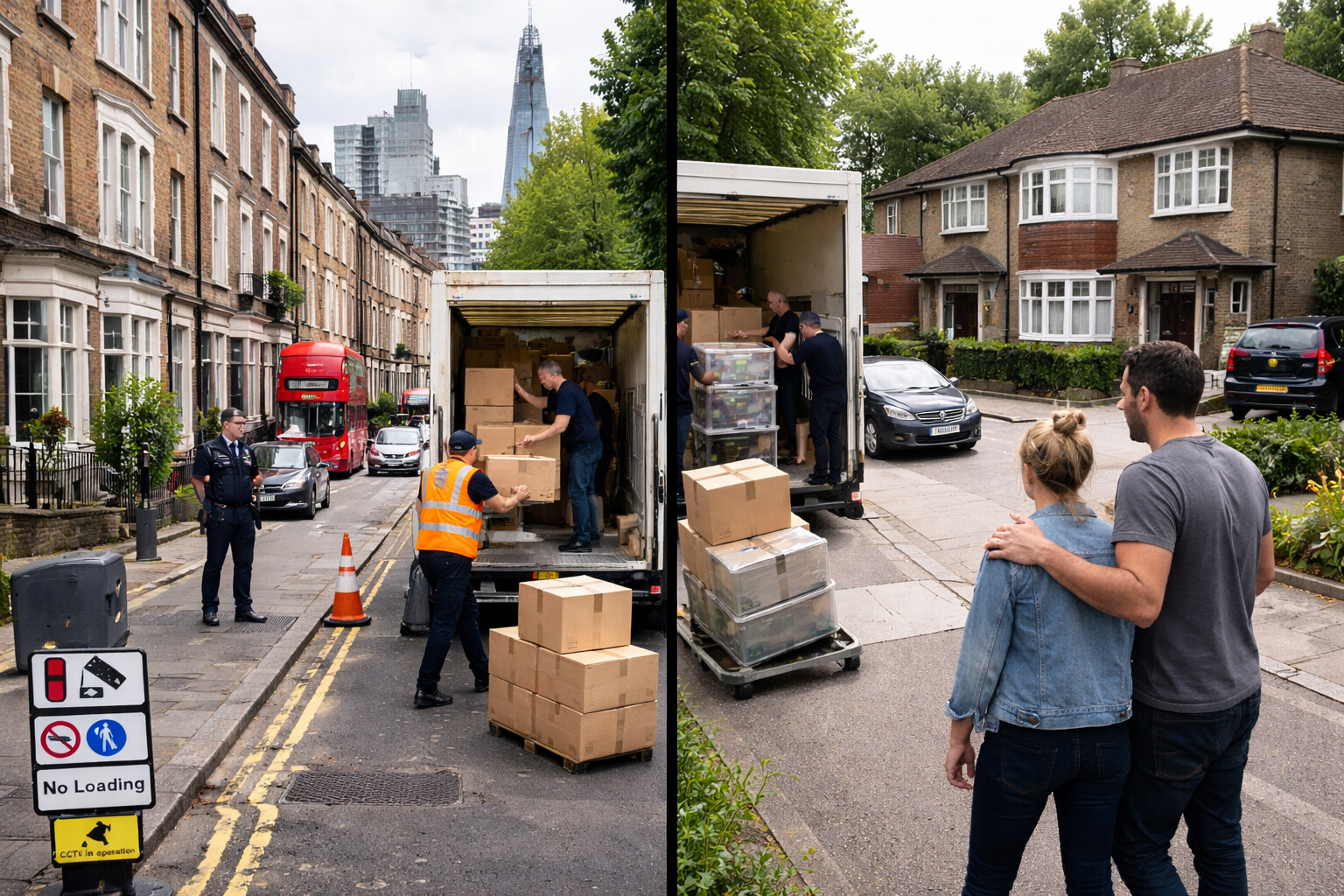
Inner London vs Outer London Moves: Key Differences
Moving in London is often described as one experience, but in reality there are two completely different moving
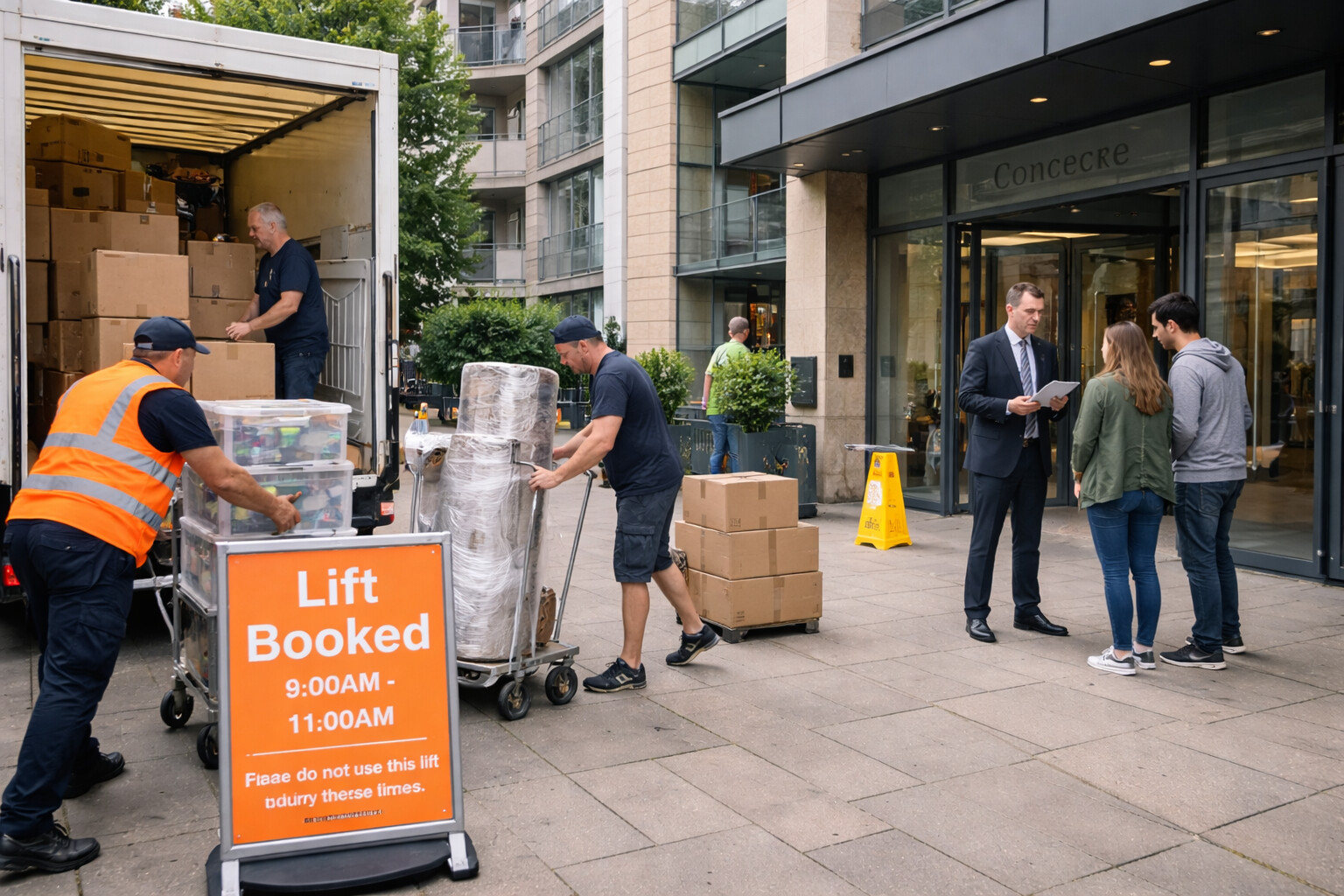
Moving in West London: Affluent Areas, Access Constraints
Moving in West London is defined by contrast and expectations. On the surface, West London often looks easier:
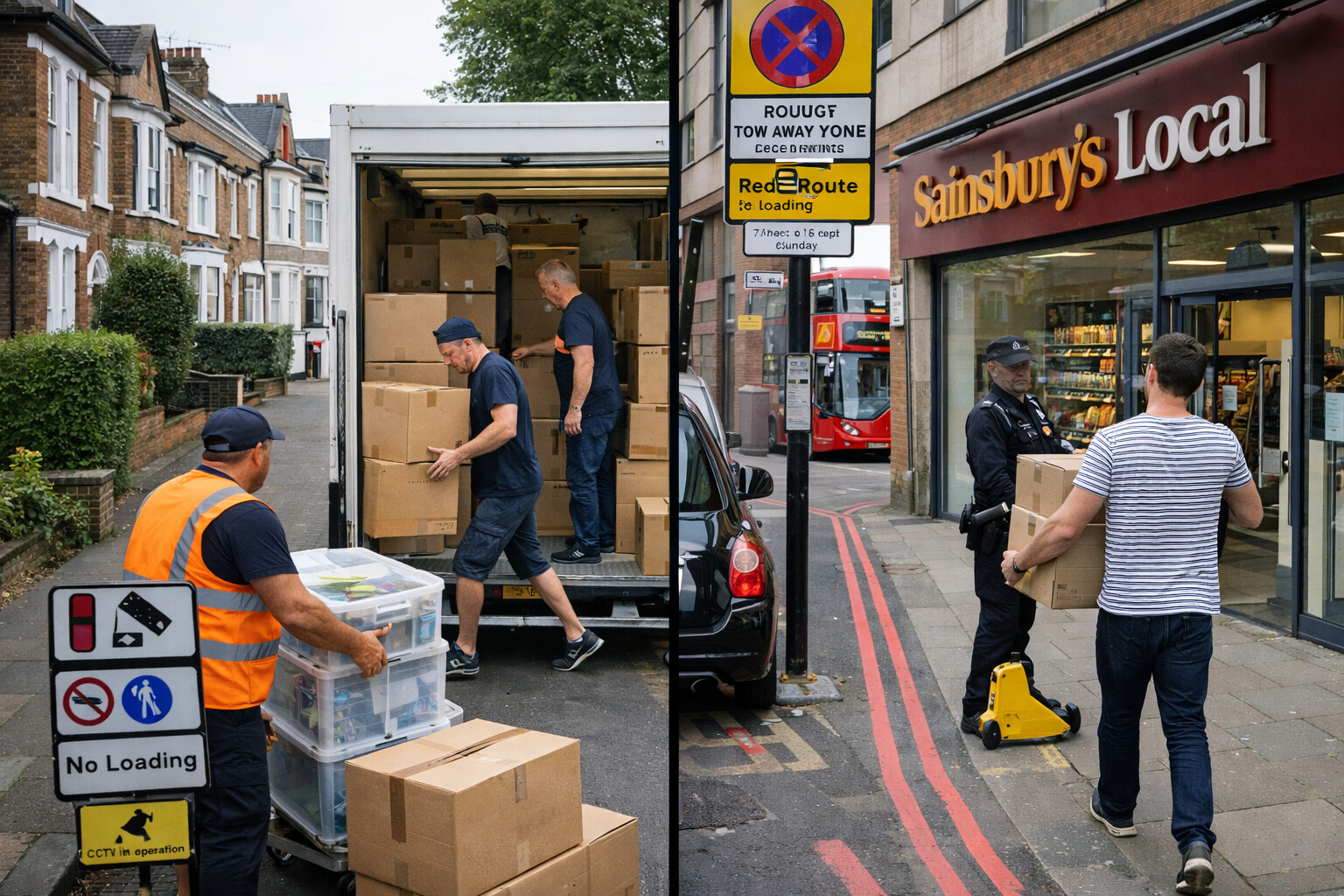
Moving in East London: Density, Regeneration & Real
Moving in East London is shaped by contrast. Few areas in the UK combine extreme density, rapid regeneration,
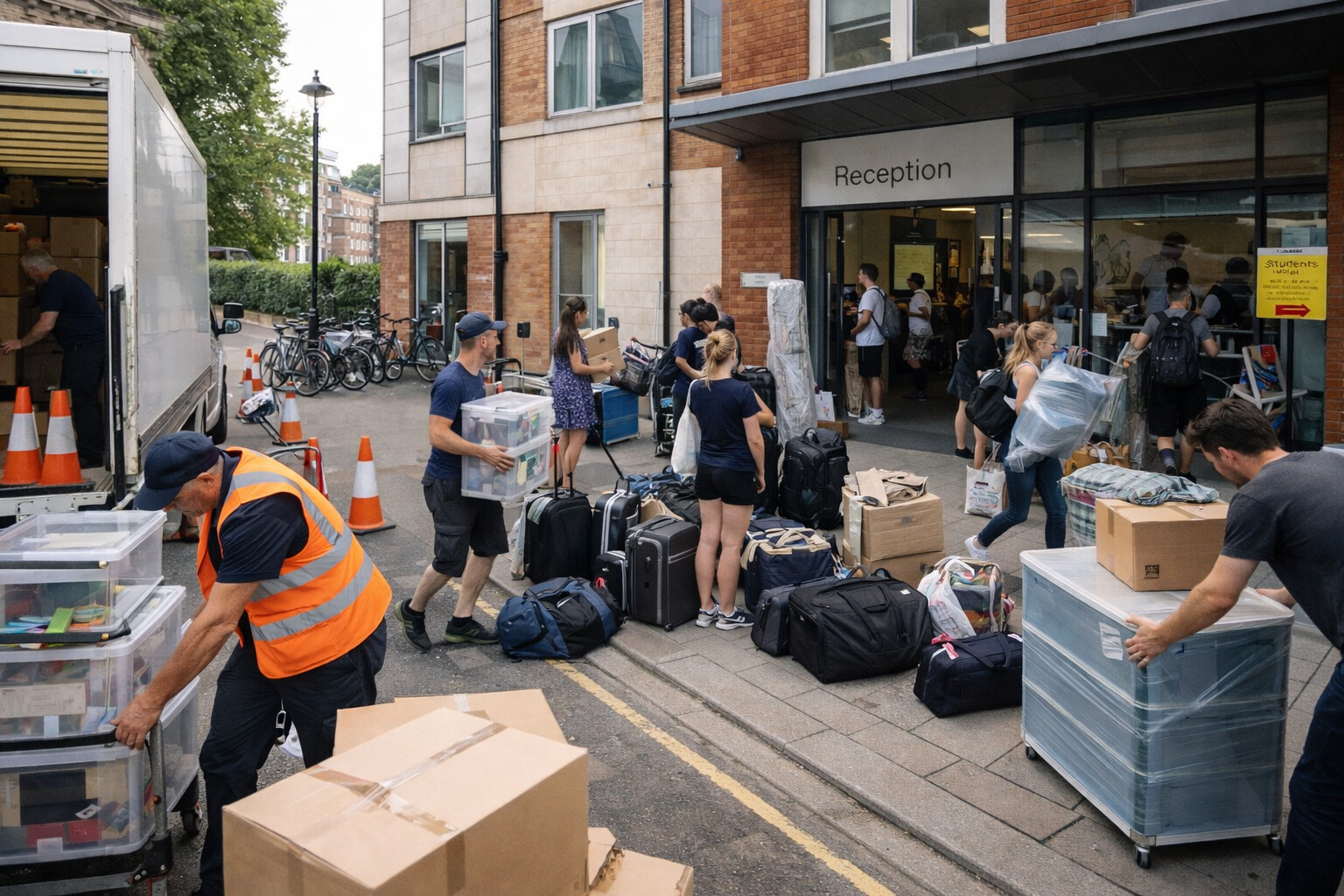
Moving in South London: Local Streets, Housing Patterns
Moving in South London is very different from moving in North or Central London. While South London is
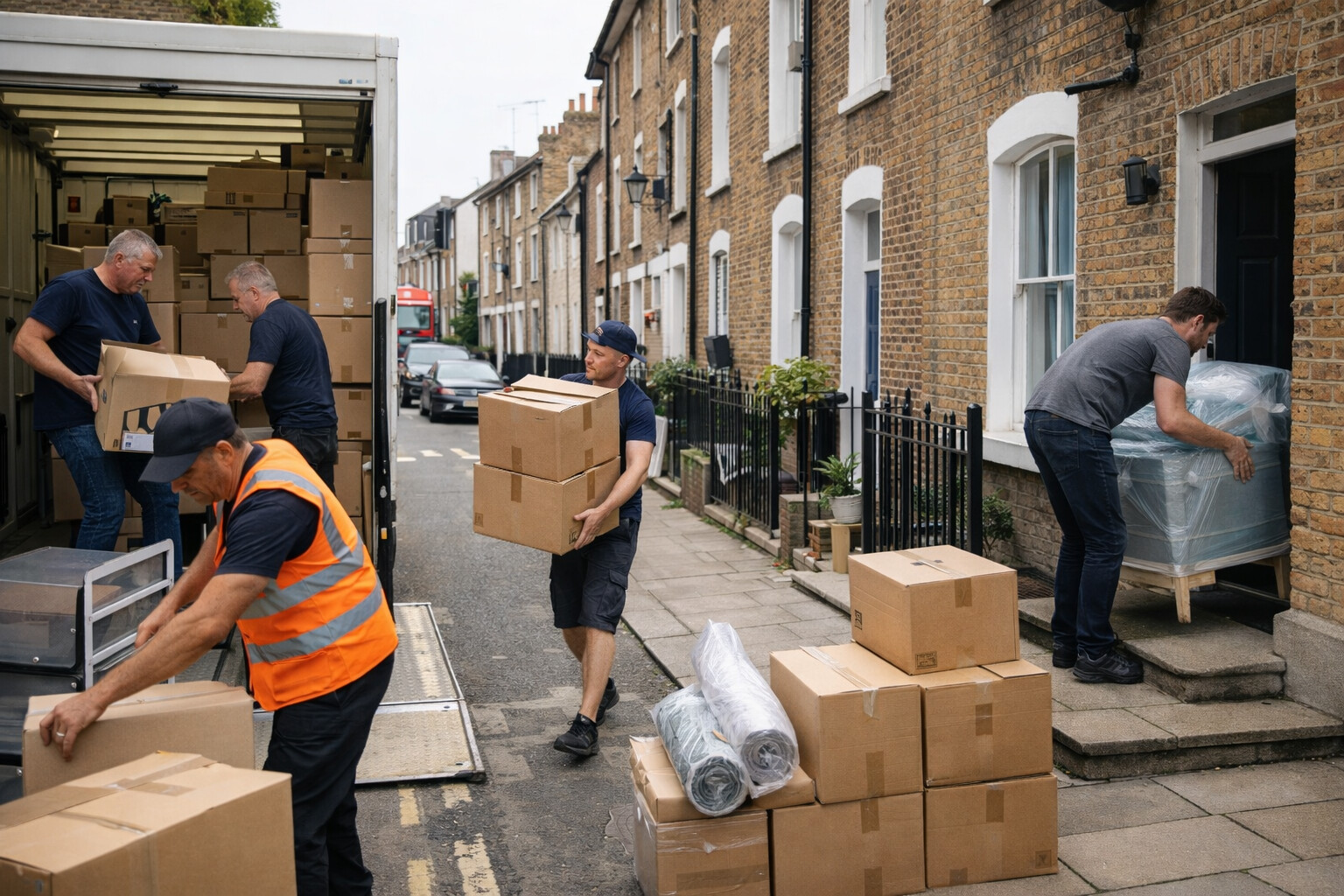
Moving in North London: Area Layouts, Access &
Moving in North London sits somewhere between the extremes of Central London restrictions and the relative simplicity of

Moving in Central London: Traffic, Parking & Restrictions
Moving in Central London is fundamentally different from moving anywhere else in the UK. Even experienced movers often
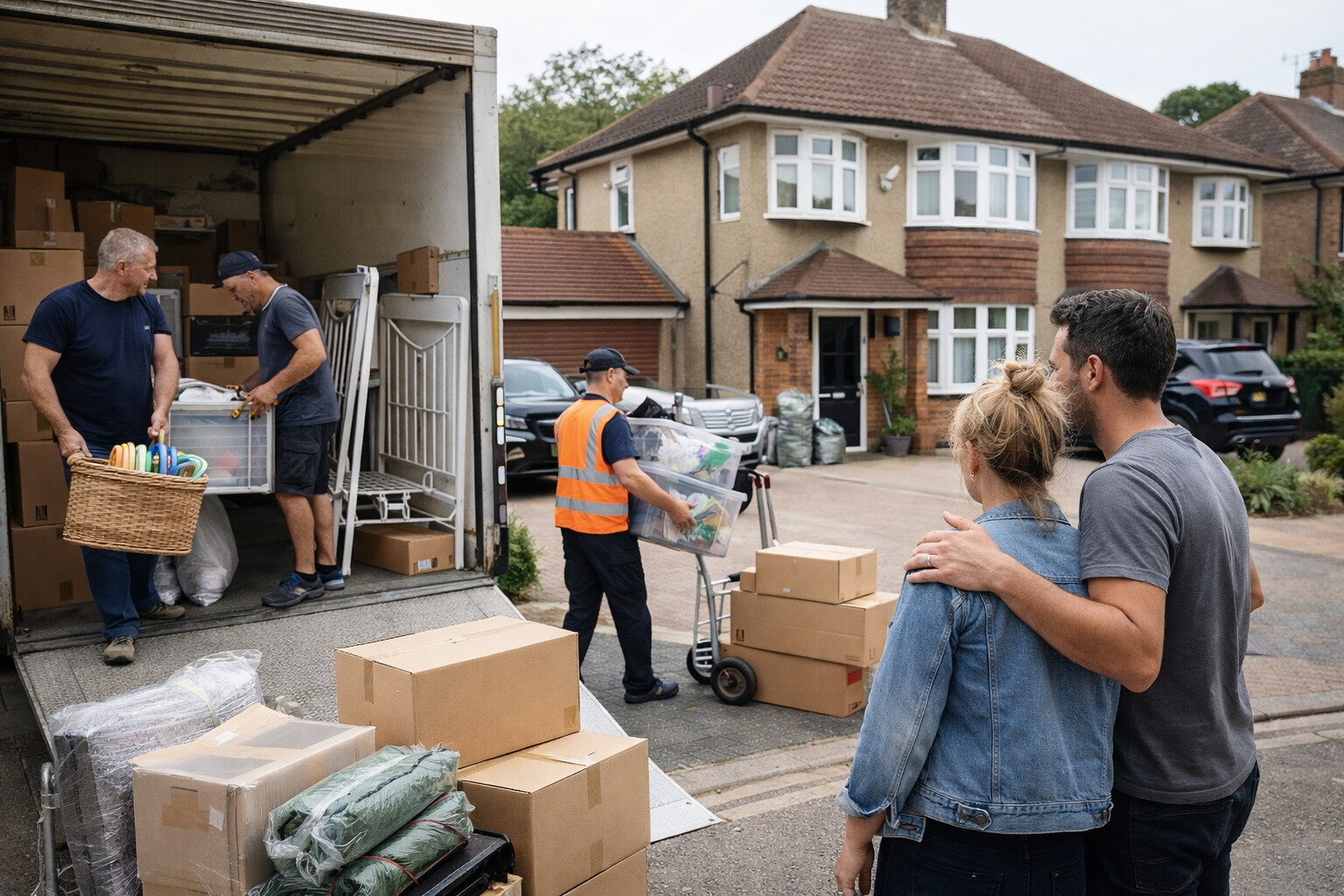
London Borough Moving Guide: Areas, Access & Local
Moving within London is not just about distance or volume. In many cases, the borough you move in